How Much Does a Game Prototype Cost? A Scope-First Guide
Image: The Game Design
The useful answer to “How much does a game prototype cost?” is not a universal price. It is a smaller question: what decision must the prototype make possible?
A founder trying to choose between two core loops does not need the same build as a studio preparing a publisher pitch. A designer who already has a playable build may need an experienced teardown, not another month of development. Start with the decision, then buy only enough evidence to make it.
First decide what the prototype must prove
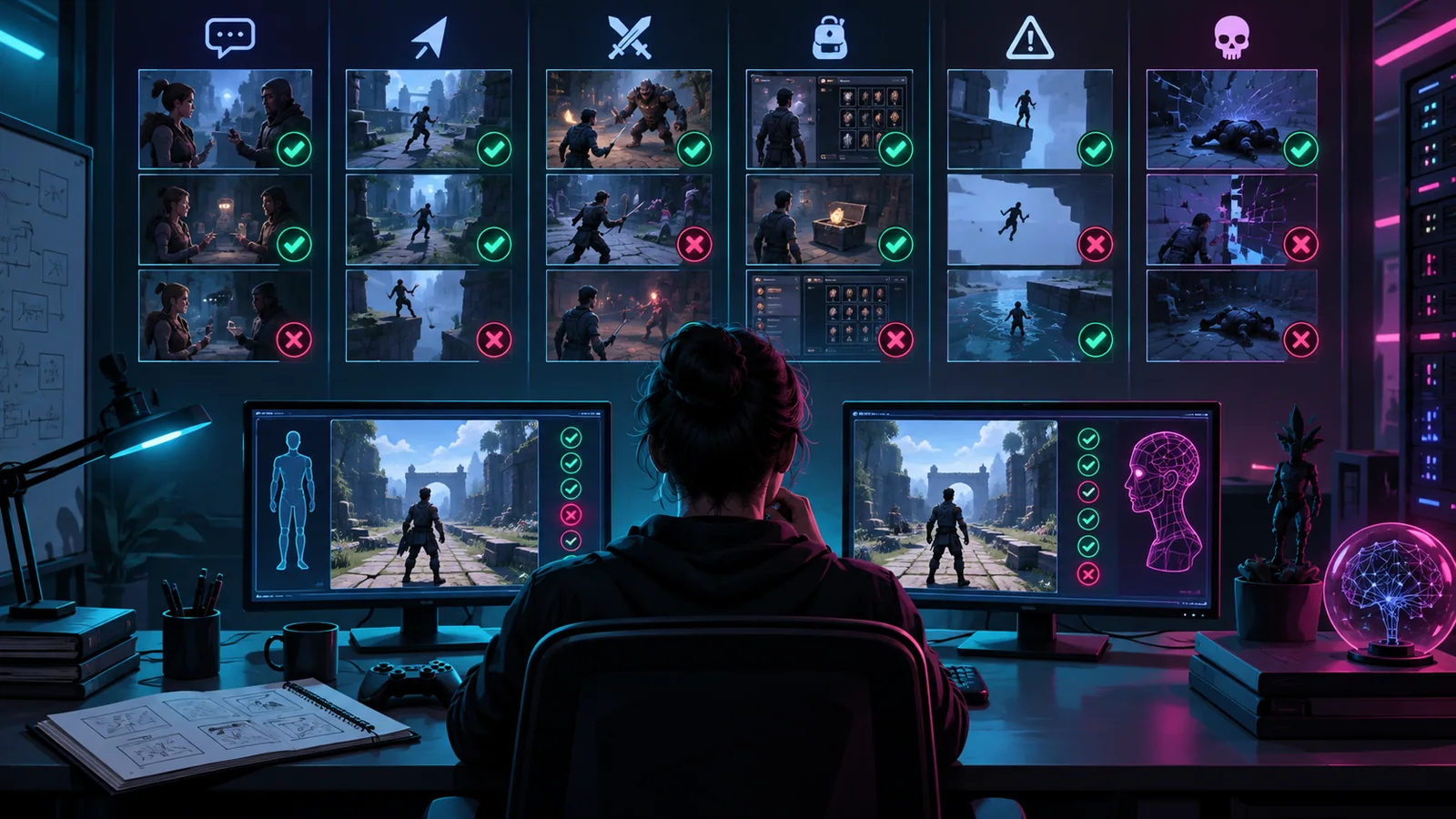
Most prototype requests are trying to answer one of five questions:
- Can a new player understand the core loop?
- Does the main action feel good enough to repeat?
- Can the concept work inside the target platform or technical constraints?
- Is the idea strong enough to justify a larger production budget?
- Can the team produce the game at the required quality and pace?
Write one question at the top of the brief. If the proposed work does not help answer it, cut that work.
This matters because prototypes become expensive through ambiguity. Every extra character, level, menu, progression system, and polished asset creates another decision. A focused prototype can be small and decisive. An unfocused one can be large and still leave the original question unanswered.
Three practical buying levels
The following are the current service levels offered through Bud Leiser. They are not claims about universal industry pricing; they are examples of how to match spend to the decision you face.
$250: design teardown
A teardown fits when something already exists: a game-design document, pitch, build, economy, onboarding flow, or store page. The goal is diagnosis and priority, not production.
Use it when you need to know:
- what is confusing or contradictory;
- which feature carries the experience;
- what to remove before the next sprint;
- what the next prototype should test;
- whether the promise, screenshots, and actual build agree.
The value is not a long list of opinions. It is a shorter list of decisions, ordered by impact.
$1,000: scoped prototype sprint
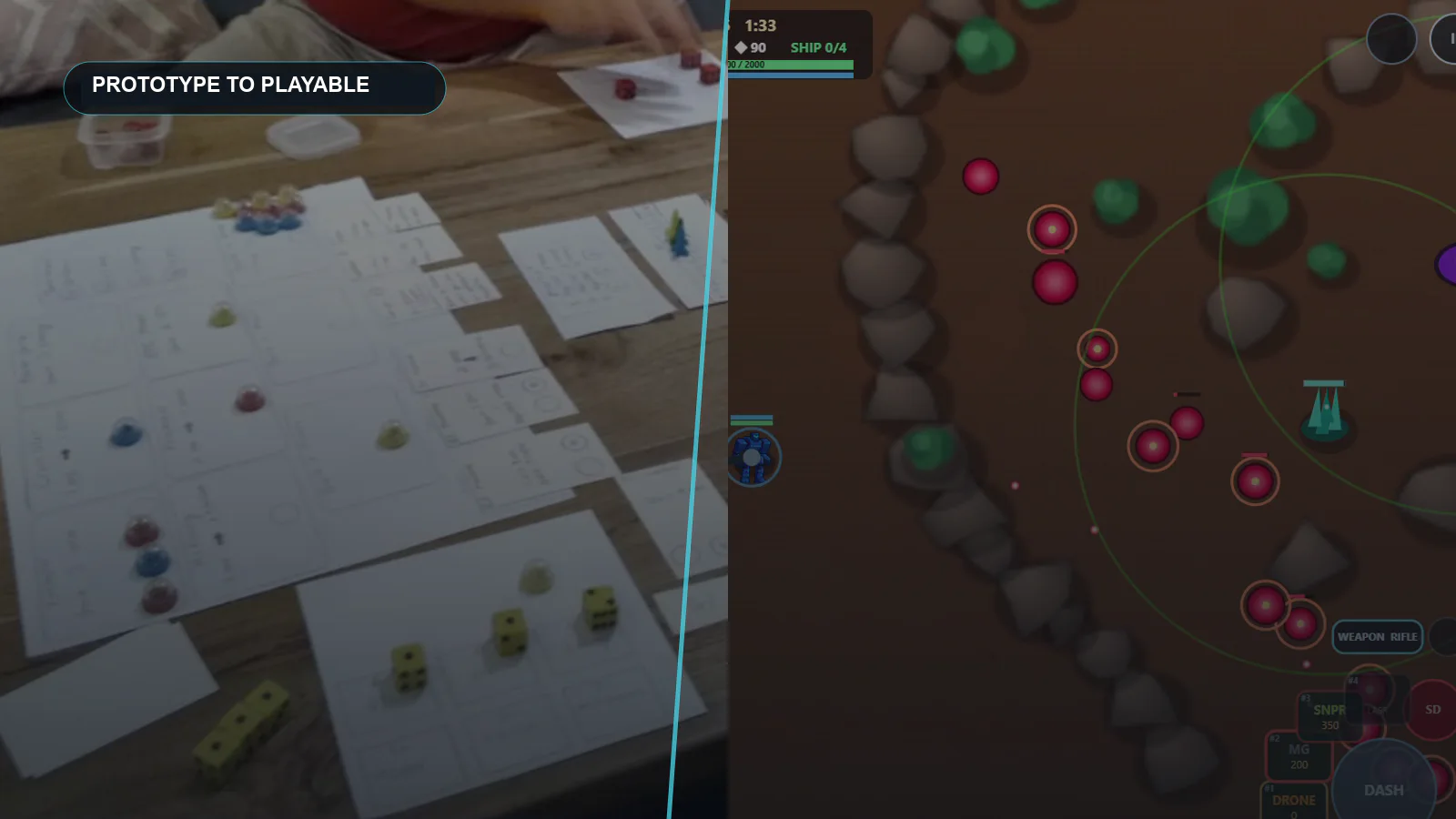
A prototype sprint fits when a written critique cannot settle the question. The work should produce a testable artifact with a tightly defined success condition.
Good sprint targets include one combat exchange, one resource loop, one interaction puzzle, one onboarding sequence, or one technical risk. The build may use temporary art, rough UI, and simple content because those elements are not the evidence question.
A $1,000 sprint is not a miniature full game. It is a controlled experiment. If the scope contains several modes, a complete content pipeline, accounts, commerce, or launch-ready polish, it is no longer this kind of sprint.
From $10,000: full build
A larger build fits only after the concept and production assumptions have survived smaller tests. Here the work expands beyond a single question into a shippable system: production code, content, art direction, testing, deployment, and the unglamorous edge cases that prototypes deliberately skip.
“From” matters. Platform, content volume, online services, original art, audio, accessibility, compliance, and post-launch needs all change the scope. A responsible quote follows a written brief and technical review.
What makes a prototype quote trustworthy?
Look for five things in the proposal:
- A named evidence question. You should know what the build is meant to teach.
- An explicit boundary. The proposal should say what will not be built.
- A test format. Decide who will use it, on what device, and what will be observed.
- An export target. Source code running on a developer machine is not the same as a browser, desktop, or mobile build.
- A next-decision rule. Before work begins, define what evidence means continue, revise, re-scope, or stop.
Without those elements, a “prototype” can become open-ended outsourced development with no finish line.
Where AI changes the cost—and where it does not
AI-assisted tools can reduce time spent on boilerplate, temporary copy, exploration, test data, and some implementation tasks. That can make a focused sprint more productive. It does not remove the need to choose the right question, judge feel, verify rights, test the exported build, or decide whether the result is good enough.
The saving is real only when the team uses the extra speed to run a better test. Generating more unreviewed material is activity, not evidence.
A better first step than requesting a quote
Before you contact anyone, use the free AI Game Production Checklist. Name the player, the promise, the core loop, the evidence question, the asset-rights owner, and the next decision. A provider can scope faster when those answers are clear—and you are less likely to pay for work that cannot resolve the real uncertainty.
If the concept is already documented or playable, compare the current game-development service packages. Start with the smallest level that can produce the evidence you need.
FAQ
Can I prototype a game for free?
Yes. Paper, spreadsheets, engine templates, and your own time can answer many early questions. Pay for outside help when speed, specialist judgment, implementation skill, or an independent review changes the decision.
Should prototype art look final?
Only when visual quality is the thing being tested. Otherwise use the least expensive art that makes the interaction readable and keeps the test honest.
When is a prototype ready to become a full build?
When the core loop works with the intended player, the technical risk is understood, the production assumptions are credible, and the team can explain what the next budget will buy.
game-prototype-costgame-development-budgetprototype-sprintindie-game-development